Laodicea: The Lukewarm Church and Its Warning for Today
The Warning
Among the Seven Churches of Revelation, few cities speak to the modern church as powerfully as Laodicea.
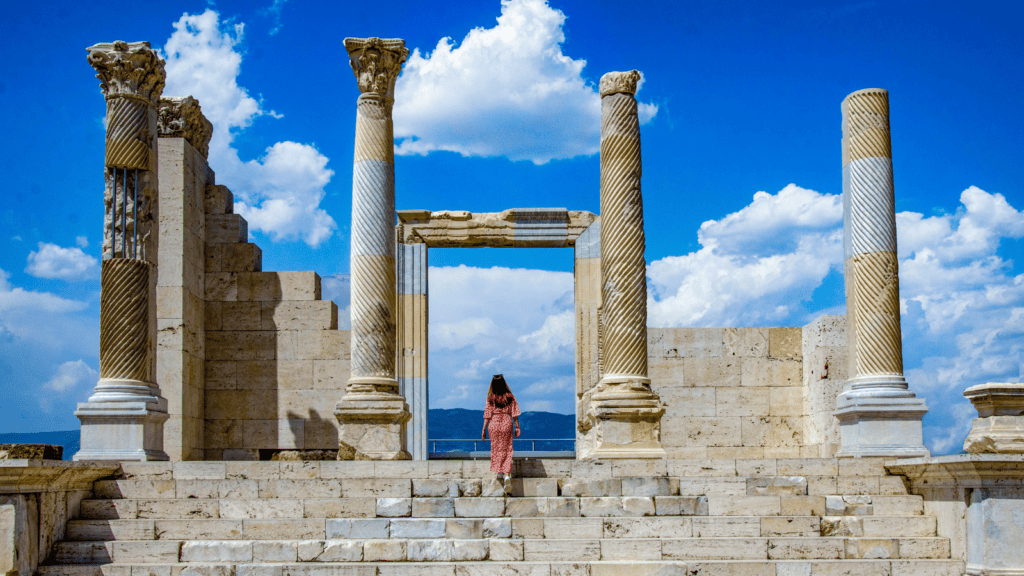
Located in western Turkey, Laodicea was once one of the wealthiest and most influential cities in Asia Minor. Today, it stands as one of the most well-preserved archaeological sites connected to the Book of Revelation — a city whose ruins still proclaim the warning Jesus gave nearly 2,000 years ago.
Recent excavations continue to uncover the grandeur of ancient Laodicea. Archaeologists have revealed massive 1,900-year-old columns in the city’s northern agora, considered one of the oldest faith centers in Anatolia. In 2011, ground-penetrating radar led to the discovery of a remarkably preserved 4th-century church beneath the ruins.
Massive theaters, temples, colonnaded streets, shops, and burial grounds continue to emerge from the earth, revealing a city built with extraordinary planning and infrastructure. Some historians even believe the city’s sophisticated design influenced aspects of modern urban architecture. Read more about the biblical archaeology discoveries from this article from The Biblical Archaeology Society.
But despite all its wealth, influence, and beauty, Laodicea became known in Scripture for something else entirely:
It was the “lukewarm” church.
The Wealthy City That Needed Nothing
By the close of the first century BC, Laodicea had become a booming center of banking, finance, industry, and trade. Positioned along major east-west and north-south trade routes, the city grew incredibly prosperous.
Laodicea was famous for:
- Its banking industry and immense wealth
- Luxurious black wool garments exported throughout the Roman world
- A respected medical school known for producing eye salve and medicinal compounds
The city was so wealthy that after a devastating earthquake in 60 AD, Laodicea rebuilt itself without financial assistance from Rome.
And that same spirit of self-sufficiency eventually seeped into the church.
In Revelation 3:17, Jesus rebuked the congregation:
“For you say, ‘I am rich, I have prospered, and I need nothing,’ not realizing that you are wretched, pitiable, poor, blind, and naked.”
The irony was unmistakable.
To a city proud of its wealth, Jesus said they were poor.
To a city famous for fine clothing, He said they were naked.
To a city known for eye medicine, He said they were blind.
Every word of Christ’s message directly confronted the very things in which Laodicea placed its confidence.
What “Lukewarm” Really Means
Most Christians know the famous warning:
“I know your works, that you are neither cold nor hot. I wish you were cold or hot. So because you are lukewarm, and neither hot nor cold, I will spit you out of My mouth.”
— Revelation 3:15–16
But many never realize how deeply connected this statement is to Laodicea’s geography.
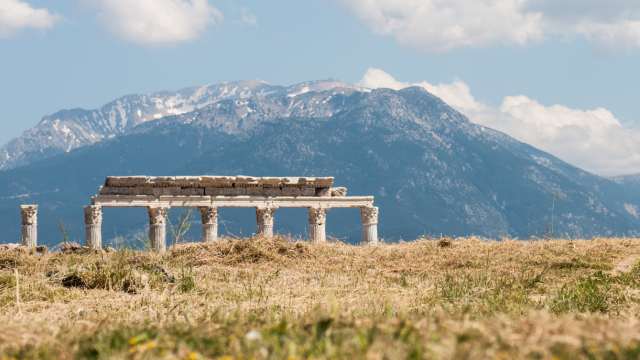
Just beyond the city rises Mount Cadmus, towering over the Lycus Valley. Snowmelt from the mountain supplied nearby Colossae with cold, refreshing drinking water. Meanwhile, the neighboring city of Hierapolis was famous for its therapeutic hot springs.
Laodicea sat directly between them.
Unlike its neighbors, Laodicea had no quality water source of its own. Water had to be transported through aqueducts from miles away. By the time the cold water arrived, it had become warm. By the time the hot mineral water arrived, it had cooled.
The result was tepid, mineral-heavy water that locals knew was unpleasant to drink — water that could make a person gag.
Suddenly, Jesus’ warning becomes vivid.
He was not simply speaking about emotional passion or enthusiasm. He was using the city’s own water supply — their own civic embarrassment — as a spiritual metaphor.
The church reflected the city around it:
wealthy, comfortable, self-satisfied… but spiritually powerless.
A Church Without the Power of Living Water
The church in Laodicea was not condemned for false doctrine, emperor worship, or following false prophets. Instead, it was rebuked for spiritual complacency.
Its works lacked the power and life of Christ.
The church had become dependent on human success rather than the living water only Jesus could provide.
And yet, even in rebuke, Christ’s words were filled with mercy.
“As many as I love, I rebuke and chasten. Therefore be zealous and repent.”
— Revelation 3:19
Then comes one of the most beautiful invitations in all of Scripture:
“Behold, I stand at the door and knock. If anyone hears My voice and opens the door, I will come in to him and dine with him, and he with Me.”
— Revelation 3:20
The warning was severe, but the invitation remained open.
Why Laodicea Still Matters Today
Why do so many travelers find Laodicea one of the most impactful stops on a Seven Churches of Revelation journey?
Because its message feels incredibly current.
Modern believers can easily relate to a culture that values wealth, comfort, self-reliance, appearance, and success — while neglecting true spiritual dependence on God.
People who have heard the Gospel their entire lives can slowly stop hearing it. Familiarity can dull urgency. Faith can become routine.
Laodicea forces us to ask difficult questions:
- Have we become spiritually comfortable?
- Are we relying more on material success than Christ?
- Have we mistaken activity for spiritual power?
- Are we seeking living water — or settling for lukewarm faith?
Standing among the ruins of Laodicea changes the way many people read Revelation forever.
When you walk the ancient streets…
See the aqueduct systems…
Stand beneath the towering columns…
And look toward Mount Cadmus rising above the valley…
The words of Jesus suddenly become tangible.
Once you see the geography, you cannot unsee the message.
Experience Laodicea for Yourself
Laodicea is one of the most significant and visually stunning sites on our all-inclusive Seven Churches of Revelation Tour through Turkey.
Join fellow believers as you explore the cities of Revelation, walk through the pages of Scripture, and experience the historical and spiritual context that brings the Bible to life in unforgettable ways.
Because sometimes, the difference between simply reading Scripture and standing where it happened… changes everything.