Rephidim in the Bible: What the Name Means and Why It Matters
By Hirchie Schaffner
This valley of Rephidim mentioned in Exodus 17 was the place of encampment of the Children of Israel just months after the Lord had delivered them from the bondage of Egypt, it was here the Lord brought them to once again show them His hand of provision. This land, Rephidim, which means to refresh, was anything but refreshing in the eyes of the Israelites, as they once again began to doubt Moses, Aaron but most of all Jehovah.
Where Rephidim Sits in the Bible
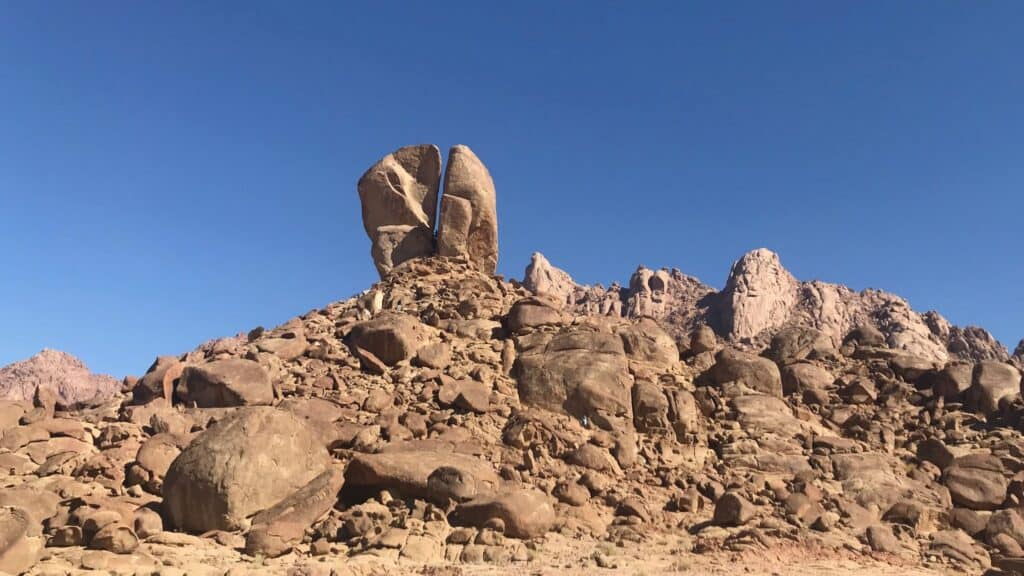
Scripture places Rephidim as the last camp before Sinai. Israel “moved on from the wilderness of Sin by stages, according to the commandment of the Lord, and camped at Rephidim” (Exodus 17:1). The travel record in Numbers 33 puts it in the very same slot, listing Rephidim as the stop right before the wilderness of Sinai (Numbers 33:14-15). Wherever else the route led, the text keeps Rephidim and the mountain of God side by side, back to back stops with nothing in between. Once you place that mountain at Jabal al-Lawz in northwest Arabia, the rock at Horeb that Moses struck belongs to this final approach, which is why the great split rock stands where it does today.
“Strike the Rock”
The first story that came alive for me was the miraculous provision of water from the rock of Horeb, which means dry or desolate. Another sign of the wonder working power of our God who changes our natural circumstances with His Supernatural Provision. In the Book of Exodus 17:2-6, the Israelites, weary and parched in their desert journey, began to doubt and grumble against Moses. In his desperation, Moses cried out to God, and God instructed him to strike The Rock at Horeb (Not just a rock).
And the Lord said to Moses, “Pass on before the people, taking with you some of the elders of Israel, and take in your hand the staff with which you struck the Nile, and go. 6 Behold, I will stand before you there on the rock at Horeb, and you shall strike the rock, and water shall come out of it, and the people will drink.” And Moses did so, in the sight of the elders of Israel. 7 And he called the name of the place Massah[a] and Meribah,[b] because of the quarreling of the people of Israel, and because they tested the Lord by saying, “Is the Lord among us or not?” Exodus 17:5-7
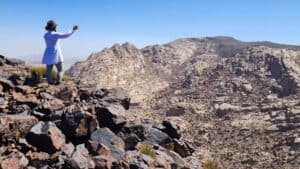
From it flowed water, a life-giving stream in the midst of barrenness. Standing at the very plateau of the rock looking down into the valley, I could imagine the relief and awe of the people as water gushed forth. Moses himself named this land Massah, to test or tempt, and Meribah, Contention or strife, as the people whom God delivered once again tested Him with their contention. It was a powerful reminder of God’s faithfulness and provision in our times of need and the importance of trusting Him even in the driest seasons of life.
“He opened a rock, and waters gushed out, flowed as a river in dry places.42 For He remembered His holy word to Abraham His servant.43 So He brought forth His people with joy, His chosen ones with singing.” Psalm 105:41
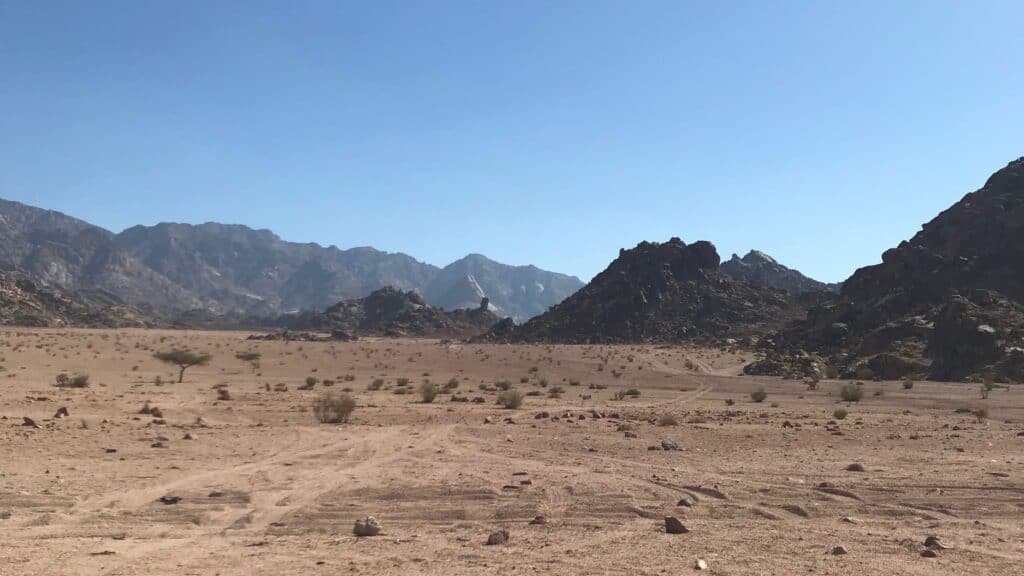
Valley of Rephidim
Just as the Israelites quenched their thirst, their challenges didn’t end there. The Valley of Rephidim also witnessed the famous battle against Amalek. This was the first battle they faced and another lesson in God’s provision as it wasn’t won by sheer strength but through a unique demonstration of faith and perseverance. The Amalekites, descendants of Esau, were a nomadic tribe living in the region and most likely chose to attack the Israelites because of their newfound water source. According to Deuteronomy 25:17-19 they attacked the weakest from behind before Moses sent out Joshua and the army to face them. Just like in our life the enemy looks for our weakest points of attack, especially after God does a great thing in our lives.
Thank God we have the Victory in Christ! (Romans 8:37) As Moses stood on the mountainside, raising his staff toward heaven, the Israelites prevailed. When his arms grew weary, Aaron and Hur stood by his side, supporting him until victory was secured. (Exodus 17:8-13) As I stood looking down on this valley, I thought about the powerful symbolism of this moment—how victory doesn’t come through our own power but support of the people of God, fervent prayer and our Faithful God, Jehovah Nissi – Our Banner!
Standing Where It Happened
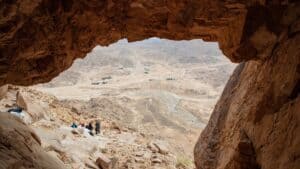
Visiting these sacred sites brought these stories into vivid focus. The dry terrain and rugged beauty of the area felt like a testament to resilience and faith. It’s one thing to read these accounts in scripture and quite another to stand where they happened, to feel the weight of history beneath your feet. The landscape seemed to whisper lessons of trust, provision, and perseverance—lessons as relevant today as they were thousands of years ago.
To stand at the split rock of Horeb itself and see where it rises from the valley floor at the foot of the mountain, see our guide to the Split Rock of Horeb in Saudi Arabia. You can hike all the way up to it and stand in the cleft.
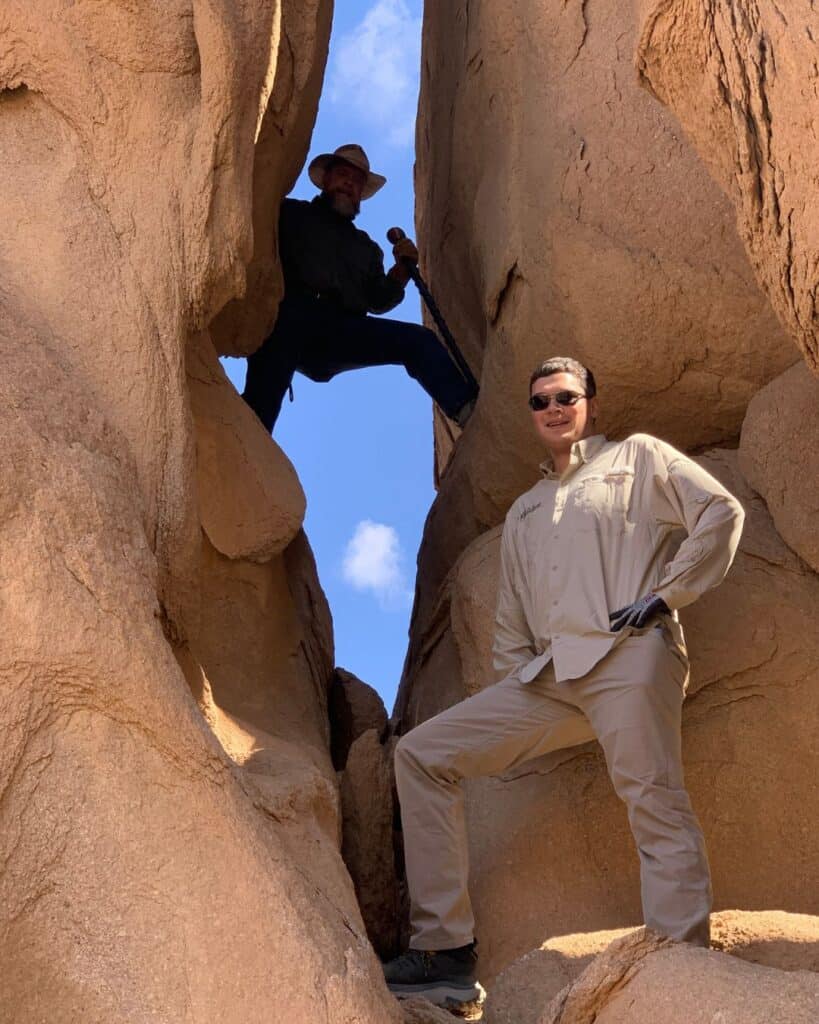
This journey reminded me that the spiritual significance of a place can transform it into more than just a destination. It becomes a living testament to the enduring faithfulness of God and the truth of His Word. The Valley of Rephidim and Mount Horeb are not just locations on a map (and not in the location many thought they were); they are landmarks of hope, perseverance, and divine encounter.
Living Passages has been guiding biblically-focused groups through Saudi Arabia visiting sites like the Split Rock of Horeb and the Rechabites location in Midian since the kingdom first opened to international tourism in 2018. Come experience these sites with us on a Living Passages Expedition in the future.