Petra’s Theater in Jordan: The Untold Story of Paul’s Gospel Journey
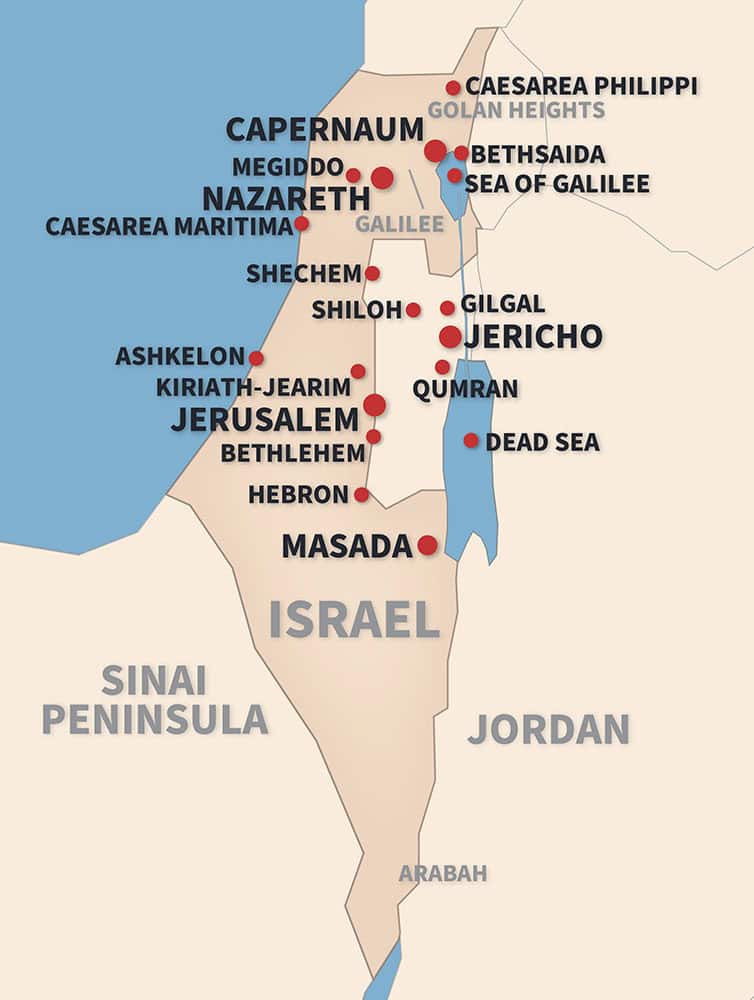
"Nor did I go up to Jerusalem to those who were apostles before me, but I went away into Arabia, and returned again to Damascus."
Did the Apostle Paul Preach at Petra?
By Sarah Eaton
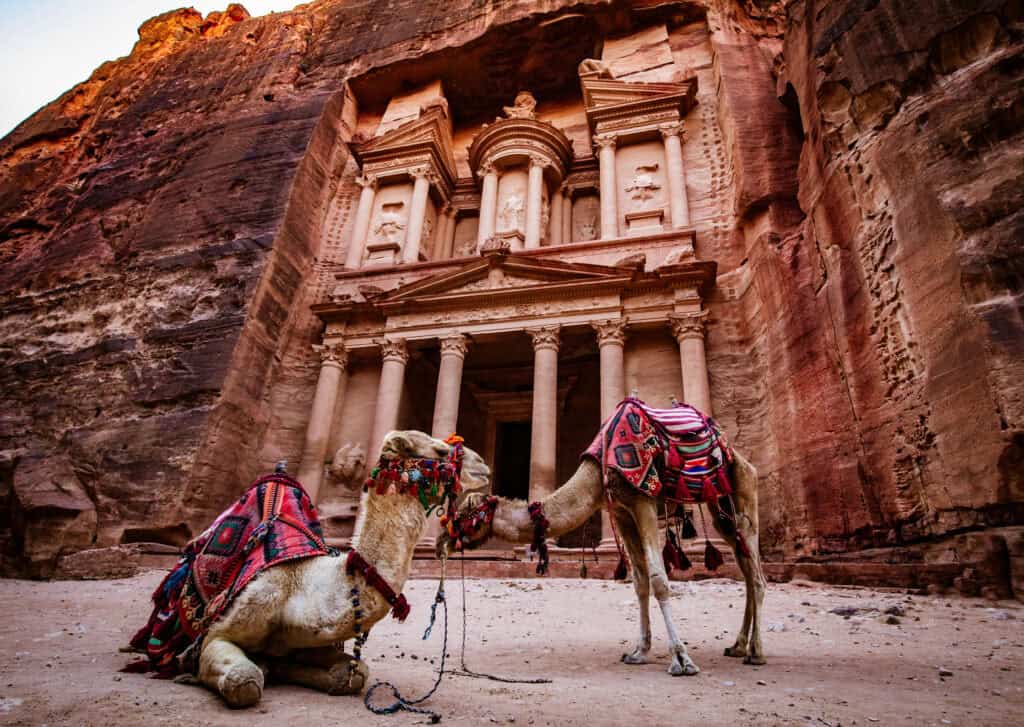
There’s no written history from the Nabateans. We experience them today by walking through the ruins of their rock cut marvels like Petra and Madain Saleh. It’s probably not foremost in visitors minds when they visit Petra that much of what we see there today dates from the same years Jesus walked the earth. It was under the reign of Aretas IV, who ruled from 9 BC to 40 AD that the Nabatean kingdom reached its cultural and political peak. The theater's construction may have been influenced by the theater-building activities of Herod the Great, prompting King Aretas IV to follow suit.
It seems useful to reflect on how this King intersects with the New Testament story. One event comes to my mind immediately when we stand here at the Nabatean Theater. It’s from Paul’s second letter to the Corinthians. After recounting many sufferings during his ministry he ends with this incident: “the governor under King Aretas had the city of Damascus guarded in order to arrest me. But I was lowered in a basket from a window in the wall and slipped through his hands” (2 Corinthians 11:32–33).
Paul's mention in 2 Corinthians 11 is actually one of the few contemporary historical references to this king outside of coins and brief inscriptions.
A Nabatean King Knows Paul
What’s a reasonable explanation for why a Nabatean king would know about Paul? Why did Aretas want Paul arrested? Scholars like Ben Witherington III suggest that during his “three years in Arabia” (Galatians 1:17), Paul may have spent time in Petra itself, preaching a message not sanctioned by the Nabatean authorities. Perhaps he had been actively evangelizing throughout Aretas's kingdom. Standing at Petra's theater, you might be walking where Paul once preached.
Here's an irony that hits home for me because I know people personally who have been denied re-entry into Jordan due to suspected “missionary” activity. Still today in Jordan, proselytizing is against the law.
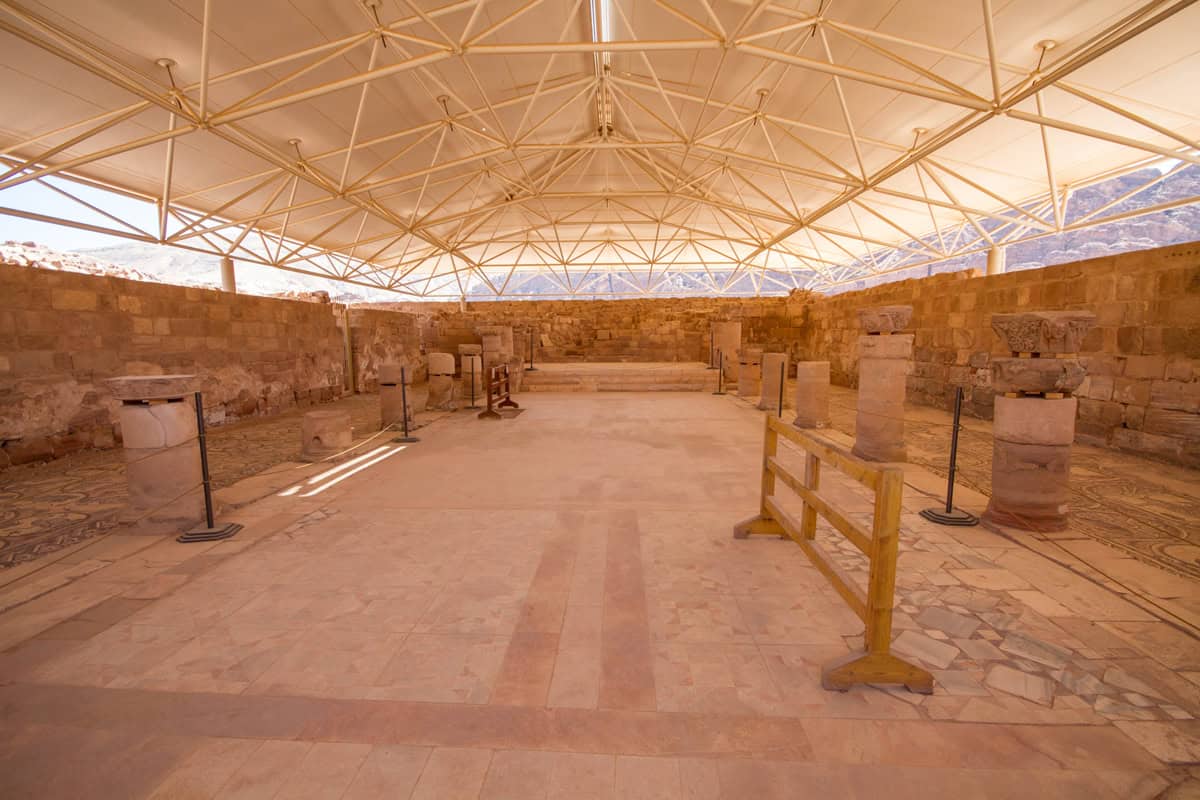
But the gospel Paul preached not only survived King Aretas's attempts to silence it, it eventually transformed this very city. Within a few centuries, Christians had established churches throughout Petra, carving baptismal fonts into the same rock tombs that once honored pagan kings. The kingdom that tried to stop the message became home to communities of believers. Human governments may restrict the gospel, but they cannot stop it. What looked like defeat, Paul fleeing Damascus in a basket, was actually the continuation of a movement that would outlast every empire that tried to suppress it.
Encouragement from Paul's Story
I’ve faced opposition for living out my faith, and Paul's example, and seeing the churches that once flourished in Petra encourages me. I hope it encourages you too. Someday, I believe, this area which once served as an important dwelling place for Moses and the Hebrews of the Exodus, will be an important refuge, among others in Jordan along the way, when the Lord returns.
God sheltered His people in these very rocks during their wilderness “wandering” and prophets like Isaiah (16:1-4) speak of a future refuge for fleeing believers. This place has always been about God's protection in the desert. Isaiah speaks of this: 'Send lambs as tribute to the ruler of the land, from Sela, across the desert, to the mount of Daughter Zion... Hide the fugitives, do not betray the refugees' (Isaiah 16:1-4)
Living Passages arranges customized Christian travel arrangements for the Bible scholar and their participants that can reach into areas of scripture that are generally overlooked. Call us to plan your next expedition at 208-765-8500.
Related Articles