
Christian Travel News & Information
Bible tours
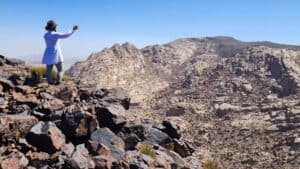
The Plateau of the Seventy Elders: Where They Saw the God of Israel
Seventy-four men once saw the God of Israel, ate and drank in His presence, and lived to walk back down. Exodus 24 puts the scene on a plateau partway up the mountain, hidden from the plain and wide enough for the gathering. On Jabal Maqla, climbers still reach it today.
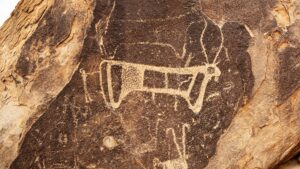
The Golden Calf Altar in Saudi Arabia: Egyptian Cattle Gods at the Foot of Jabal al-Lawz
Dozens of bulls and cows are cut into a natural outcrop standing above the plain below Jabal Maqla. The Saudi survey that catalogued them denies any Egyptian connection in absolute terms, then grants in the previous paragraph that cattle worship was common here. Where the case for this mountain actually rests.
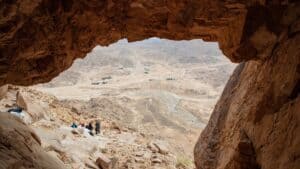
Elijah’s Cave at Mount Sinai in Arabia: Why the Prophet Fled to Horeb
Every English Bible says Elijah reached “a cave” at Horeb. The Hebrew says the cave, a specific one the writer expected his readers to know. On the eastern face of Jabal Maqla there is exactly that: a true cave, high on the mountain, set where the text puts it and open to the slope.
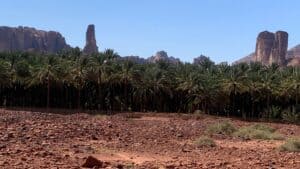
AlUla in the Bible: Dedan, the Oasis of Traders, and the Jews Who Came After
Ezekiel listed what the merchants of Dedan carried: ivory, ebony, saddlecloths for riding. The town he named is the oasis now called AlUla, and about two thousand inscriptions are carved into a canyon there, in a script that died out.
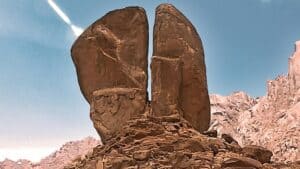
Rephidim in the Bible: What the Name Means and Why It Matters
Rephidim means refreshment, yet Israel camped there and found no water at all. A look at what the name means, the rock Moses struck at Horeb, and where Rephidim falls on the road to Sinai.
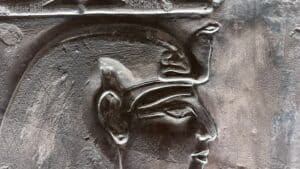
The Bronze Serpent and the Pole: From Pharaoh’s Court in Egypt to Calvary
Why the single most haunting image in the Bible follows a trail that runs from Egypt through the wilderness to the cross. Walk into the Imhotep Museum at Saqqara, the great necropolis south of Cairo, and one of the first objects you meet is a limestone pillar standing well above head height. Two serpents writhe up its shaft in deep…
The Rechabites in Arabia: What Became of the Family That Never Broke Its Vow
Jeremiah set wine before them and told them to drink. They refused, having kept a single command for two and a half centuries. Then Babylon came, and the Rechabites disappear from Scripture. A twelfth-century traveler crossing Arabia reported finding them at Tayma, still refusing.

Jews of Khaybar: Four Traditions, One Desert Mystery
Ninety-five miles north of Medina, the ruins of a Jewish fortress rise above a date-palm oasis. The locals call it Jabal al-Yahud, the Mountain of the Jews. The two leading tribes called themselves priestly and claimed descent from Aaron. Four traditions explain how they got there, and they do not agree.
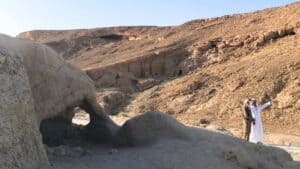
Did Jethro Know YHWH Before Moses?
Midian was Abraham’s son through Keturah. Abraham sent those sons east with more than livestock. Before Moses ever climbed it, Exodus already calls the place the mountain of God. When Jethro says “Now I know,” the Hebrew points to confirmation, not conversion. The genealogy, the bush, and what Exodus 18 actually says.
Temple Zero and the Tent of David: Where Zadok Anointed Solomon King
When King David brought the Ark of the Covenant to Jerusalem, he did not place it in the existing tabernacle at Gibeon. Instead, he pitched a tent for the Ark in the city of David, set Zadok the priest before it, and there the Ark remained for forty years, until Solomon completed the Temple. The tent has always been a…